List of the best lawyers in Dhaka, Bangladesh
Bengal Law Firm
- R9F7+2R5 Bengal Law Firm, Road No. 1, Dhaka 1216
Law Chamber
- Law Chamber, House-9, LIne-10, Block-A, Baunia Badh, Mirpur-11, Dhaka 1216
de-Jure Law Chamber
- Suite-C, Level, de-Jure Law Chamber, Mirpur Tower, Mirpur-1, Chamber, 7 Darus Salam Rd, Dhaka 1216
The Juris Peritums
- The Juris Peritums, M.M. Complex, 2/11, Pallabi Bus Stand, Dhaka 1216
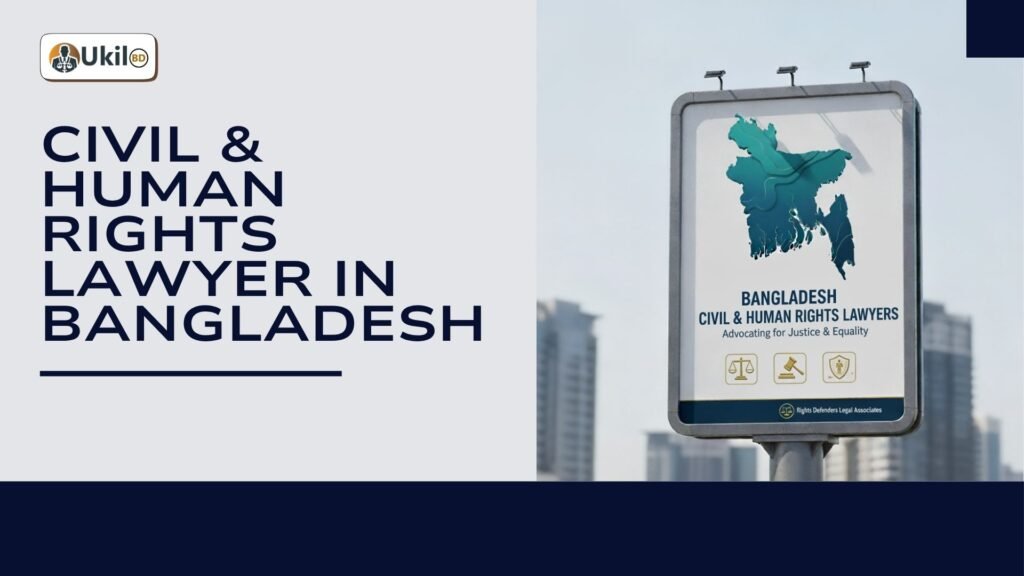
Civil & Human Rights Law :
Civil and human rights law focuses on safeguarding the basic rights and freedoms of every individual. These laws ensure equality, protect against discrimination, and uphold essential liberties such as freedom of expression, privacy, and access to fair legal proceedings. In Bangladesh, civil and human rights protections are supported by national legislation as well as international human rights standards, playing a vital role in promoting justice and maintaining the rule of law.
Why You May Need a Lawyer :
If you believe your civil or human rights have been violated in Bangladesh, consulting a civil and human rights lawyer is essential. Legal assistance is often needed in situations involving workplace discrimination, suppression of freedom of speech or peaceful assembly, invasion of privacy, or any form of unequal or unjust treatment based on race, gender, age, religion, or sexual orientation. An experienced lawyer can assess your case, explain your legal options, represent you before authorities or in court, and help you pursue remedies to protect and enforce your rights.
Local Laws Overview :
Local civil and human rights laws can differ widely, and they typically work alongside national and international protections. Key areas often include anti-discrimination regulations, workplace rights, and laws guaranteeing equal access to public services. Depending on your jurisdiction, these protections may cover equal housing opportunities, safeguards against unlawful searches, and fair access to education. To understand the exact rights and obligations that apply to you, it’s crucial to review your local legal framework or consult a civil and human rights lawyer who can interpret these laws in the context of your situation.
Civil & Human Rights Law in Bangladesh :
The Constitution of the People’s Republic of Bangladesh enshrines a set of Fundamental Rights under Part III, guaranteeing civil and human rights such as equality before the law, protection of life and personal liberty, freedom of assembly and association, and freedom of movement. Bdlaws BdlawsThese rights carry legal force — any law inconsistent with them is void. Bdlaws
Equality before law (Article 27): All citizens are equal before the law and are entitled to equal protection of the law. Bdlaws
Protection of life and personal liberty (Article 32): No person shall be deprived of life or personal liberty save in accordance with law. globalhealthrights.org+1
Freedom of assembly (Article 37): Every citizen shall have the right to assemble and participate in public meetings and processions peacefully and without arms, subject to reasonable restrictions. nnsop.gov.bd
Right to property (Article 42): Every citizen has the right to acquire, hold and transfer property; and no property can be compulsorily acquired except by law. Bdlaws
Legal enforceability: The High Court Division may, on application by an aggrieved person, enforce these Fundamental Rights by issuing appropriate orders. FAOLEX
Frequently Asked Questions :
Q1: What are my basic human rights?
A: Your core human rights generally include the right to life, liberty, and personal security; freedom of thought, conscience, and religion; and the freedoms of expression, association, and peaceful assembly.
Q2: How do I know if my rights have been violated?
A: If you face discrimination, unequal treatment, unlawful restrictions, or any denial of freedoms protected under civil or human rights law, a violation may have occurred. A qualified civil rights lawyer can help you assess your situation.
Q3: What should I do if I experience discrimination?
A: Document every detail, save evidence such as messages or emails, gather witness statements, and consult a civil rights attorney to understand your legal remedies.
Q4: Can I represent myself in a civil rights case?
A: Self-representation is allowed, but civil rights litigation is complex. Working with an experienced lawyer significantly improves the strength and structure of your case.
Q5: How long do I have to file a civil rights lawsuit?
A: Deadlines vary by jurisdiction and the type of claim. Consult a lawyer as soon as possible to avoid missing statutory filing periods.
Q6: What are examples of civil rights violations?
A: Common violations include racial or gender discrimination, wrongful termination, police misconduct, harassment, and breaches of privacy rights.
Q7: What is the difference between civil rights and human rights?
A: Civil rights stem from domestic laws and focus on equality, fair treatment, and protection from discrimination. Human rights are universal protections that apply to all people regardless of nationality or local laws.
Q8: Can a lawyer help me with an international human rights issue?
A: Yes. Attorneys with expertise in international human rights law can assist with cases involving violations of global treaties, conventions, or cross-border abuses..
Q9:What if I can't afford a lawyer?
A: Many regions offer legal aid programs, nonprofit organizations, and pro bono lawyers who assist individuals unable to pay for legal representation.
Q10: How effective are civil rights lawsuits?
A: Civil rights claims can be powerful tools for accountability and justice. Their success depends on the strength of the evidence, legal strategy, and the specific facts of the case.
Additional Resources:
For additional guidance on civil and human rights issues, several reputable organizations offer resources, documentation, and support. The American Civil Liberties Union (ACLU) provides tools and advocacy materials for individuals facing constitutional rights violations. Human Rights Watch publishes in-depth reports and policy insights that can help you understand systemic abuses and international legal standards. The Equal Employment Opportunity Commission (EEOC) offers formal complaint processes and educational materials for those experiencing workplace discrimination. Many government agencies also maintain portals with information on local civil rights protections, enforcement mechanisms, and complaint procedures.
Next Steps :
If you believe your civil or human rights have been violated in Bangladesh, consulting an experienced civil rights lawyer is the first step. Gather all relevant documents and evidence before your consultation to ensure accurate legal guidance. Explore local legal aid services if affordability is a concern, and act promptly to meet all applicable legal deadlines to protect your rights.
Disclaimer:
The content on this page is intended for general informational use and should not be considered legal advice. Although we make every effort to provide accurate and up-to-date information, laws and regulations can change, and interpretations may differ based on individual circumstances. For guidance tailored to your specific situation, you should consult a qualified legal professional. We assume no responsibility for any actions taken or omitted based on the material provided here. If you notice any inaccuracies or outdated references, please contact us so we can review and update the information as needed.