Services

Media, Technology & Telecoms Lawyer in Bangladesh

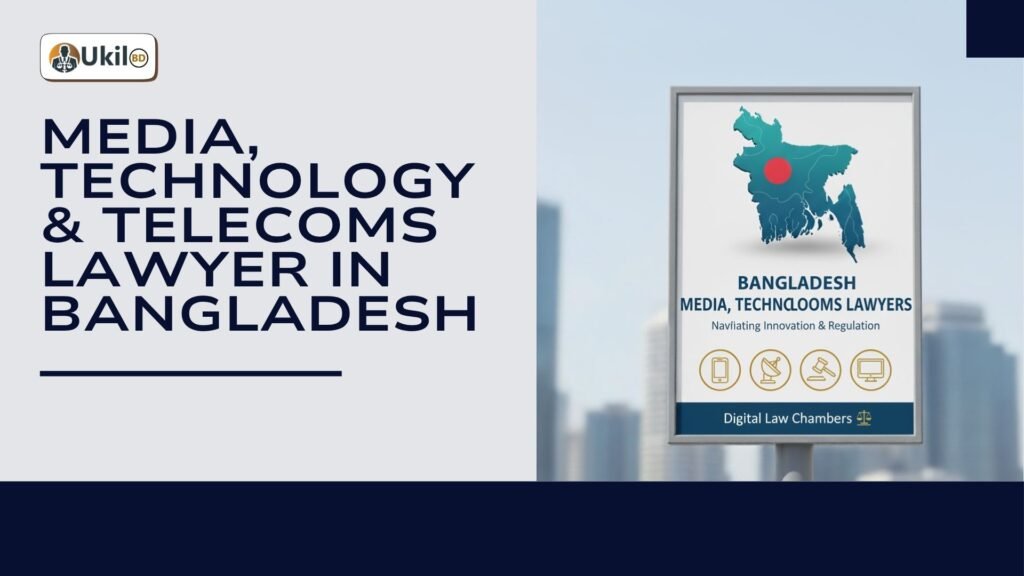
Modern billboard for Media, Technology & Telecoms Lawyer in Bangladesh, under a 3D map of Bangladesh, bold typography, tech and legal iconography such as smartphone, satellite, gavel, computer, sleek professional style, daylight urban scene, realistic rendering, high-resolution, no people

List of the best lawyers in Dhaka, Bangladesh

Media, Technology and Telecoms Law :

Media, Technology, and Telecommunications (MTT) law covers the legal rules and regulations governing the broadcasting, telecommunications, media, and technology sectors. It addresses issues such as digital rights, privacy, cybersecurity, intellectual property, licensing, and regulatory compliance. This field is especially important given the rapid pace of technological advancement and the growing overlap between media and telecommunications, creating complex legal challenges that require expert guidance.

Why You May Need a Lawyer :

Legal assistance in Media, Technology, and Telecommunications (MTT) may be needed in situations such as:

  • Content creation and distribution: Handling copyright, licensing, or related disputes.

  • Data protection and privacy: Ensuring compliance with regulations like GDPR or CCPA.

  • Telecommunications regulations: Advising service providers or users on legal requirements.

  • Technology contracts: Drafting or reviewing software licenses, IT service agreements, and other tech contracts.

  • Cybersecurity breaches: Managing legal obligations following data or system compromises.

  • Intellectual property disputes: Addressing patents, trademarks, or trade secret conflicts.

  • Digital advertising compliance: Navigating laws and regulations affecting online marketing.

  • Industry disputes: Resolving conflicts between media companies or telecom providers.

  • Commercial agreements: Negotiating and drafting deals in the technology sector.

  • Mergers, acquisitions, and investments: Handling transactions involving media, technology, or telecom companies.

Local Laws Overview :

Media, Technology, and Telecommunications (MTT) laws differ across jurisdictions, but key areas commonly include:

  • Data Protection and Privacy: Regulations like GDPR in Europe control the collection, use, and protection of personal data.

  • Intellectual Property Rights: Local laws safeguard copyrights, trademarks, and patents, and provide enforcement mechanisms.

  • Telecommunications Regulations: Cover spectrum allocation, competition rules, and service quality standards.

  • Broadcasting and Media Laws: Govern media ownership, content standards, and licensing requirements.

  • Consumer Protection: Ensure fair usage, advertising compliance, and protection in digital agreements.

  • Cybersecurity Legislation: Mandates security measures and reporting obligations for data breaches.

Media, Technology & Telecoms Law in Bangladesh:

Media, technology, and telecommunications in Bangladesh are regulated through a combination of statutory laws, regulatory authorities, and government policies. Key laws include the Information and Communication Technology (ICT) Act, 2006, the Digital Security Act, 2018, and telecom regulations by the Bangladesh Telecommunication Regulatory Commission (BTRC). These frameworks govern digital communication, data protection, content publication, broadcasting, and internet services. Legal experts assist clients with compliance, licensing, content disputes, and data privacy issues. (bdlaws.minlaw.gov.bd)

  • ICT & Digital Law Compliance: Regulates online content, cybercrimes, and electronic transactions under the ICT Act, 2006. (bdlaws.minlaw.gov.bd)

  • Digital Security & Data Protection: The Digital Security Act, 2018 governs online threats, hacking, and privacy breaches. (lawjusticediv.gov.bd)

  • Telecom Regulation: Bangladesh Telecommunication Regulatory Commission (BTRC) manages licensing, spectrum allocation, and telecom service compliance. (btrc.gov.bd)

  • Media Law & Broadcasting: Regulates print, electronic, and digital media, including content censorship and licensing requirements. (barcouncil.gov.bd)

  • Legal Representation & Advisory: Lawyers guide on digital rights, telecom disputes, licensing, and regulatory compliance. (en.wikipedia.org)

Frequently Asked Questions :

Q1: What is media law?

A: Media law governs broadcasting, advertising, privacy, defamation, and internet communications, balancing regulatory compliance with the protection of freedom of expression.

Q2: Why is intellectual property protection important in technology?

A: IP protection safeguards innovations, encourages investment, and provides competitive advantages through patents, copyrights, and trademarks.

Q3: How do data protection regulations affect businesses?

A: Regulations such as GDPR require businesses to handle personal data responsibly, secure consent, and maintain robust data security, significantly influencing operational practices.

Q4: What are the legal responsibilities of telecom operators?

A: Telecom operators must comply with rules on service quality, interconnection, emergency obligations, and user privacy, among other regulatory requirements.

Q5:What constitutes a cybersecurity breach in legal terms?

A: A cybersecurity breach occurs when unauthorized access results in data theft, disruption, or damage to IT systems, triggering legal obligations for notification and remediation.

Q6: Can I negotiate a technology licensing agreement?

A: Yes. Technology licensing agreements can be tailored to define scope, payments, confidentiality, indemnity, and termination clauses to protect business interests.

Q7: How does antitrust law apply to media companies?

A: Antitrust law prevents media conglomerates from unfairly dominating markets, promoting competition and diversity in content creation and distribution.

Q8: What is the role of a technology lawyer?

A: A technology lawyer advises on legal issues involving digital services, e-commerce, IP, cybersecurity, and regulatory compliance in the tech sector.

Q9: How do I handle a defamation claim?

A: In a defamation claim, collect evidence, consult a lawyer, and evaluate potential defenses such as truth or privilege before taking legal action.

Q10: What should I look for in a technology service contract?

A: Important elements include the scope of services, fees, performance expectations, liability limits, termination clauses, and dispute resolution procedures.

Additional Resources:

The following resources can provide guidance and support in Media, Technology, and Telecommunications (MTT) law:

  • Federal Communications Commission (FCC): U.S. regulatory authority for communications.

  • World Intellectual Property Organization (WIPO): International body promoting and protecting intellectual property rights.

  • Electronic Frontier Foundation (EFF): Nonprofit advocating for civil liberties in the digital environment.

  • International Association of Privacy Professionals (IAPP): Offers training, certification, and resources on privacy laws.

  • Local Bar Associations: Maintain directories of attorneys specializing in media, technology, and telecom law.

Additional Resources:

If you need legal assistance in Media, Technology, and Telecommunications (MTT), follow these steps:

  1. Identify Your Legal Issues: Determine the specific concerns and gather all relevant documents and data.

  2. Research Specialists: Compile a list of lawyers or firms experienced in MTT law.

  3. Schedule Consultations: Discuss your case and evaluate each lawyer’s expertise and approach.

  4. Assess Credentials: Review experience, qualifications, and client feedback carefully.

  5. Clarify Terms: Understand fee structures, timelines, and expectations before engagement.

  6. Maintain Communication: Provide necessary information promptly and stay in regular contact throughout the process.

ukilbd helps you find the best lawyers and law firms in Dhaka through a curated and pre-screened list of qualified legal professionals. Our platform offers rankings and detailed profiles of attorneys and law firms, allowing you to compare based on practice areas, including Accidents & Injuries, experience, and client feedback. Each profile includes a description of the firm’s areas of practice, client reviews, team members and partners, year of establishment, spoken languages, office locations, contact information, social media presence, and any published articles or resources. Most firms on our platform speak English and are experienced in both local and international legal matters. Get a quote from top-rated law firms in Dhaka, Bangladesh – quickly, securely, and without unnecessary hassle.
Disclaimer:

The content on this page is intended for general informational use and should not be considered legal advice. Although we make every effort to provide accurate and up-to-date information, laws and regulations can change, and interpretations may differ based on individual circumstances. For guidance tailored to your specific situation, you should consult a qualified legal professional. We assume no responsibility for any actions taken or omitted based on the material provided here. If you notice any inaccuracies or outdated references, please contact us so we can review and update the information as needed.

Get your free estimate

Get a Quote

Get in Touch with Expert Lawyers in Bangladesh

Have a legal question or need professional guidance? Our platform connects you with verified lawyers and law firms across Bangladesh. Fill out the form, share your requirements, and our experts will get back to you promptly to provide tailored legal solutions.

Find Your Lawyer

More Filters

Show More